
- Design & Creativity
Graphic Design Trends for 2026: 10 Powerful Shifts Shaping the Creative Industry
Want to stay ahead in a rapidly evolving creative world? These 10 Graphic Design Trends for 2026 reveal how technology, culture, and human creativity are reshaping modern design.
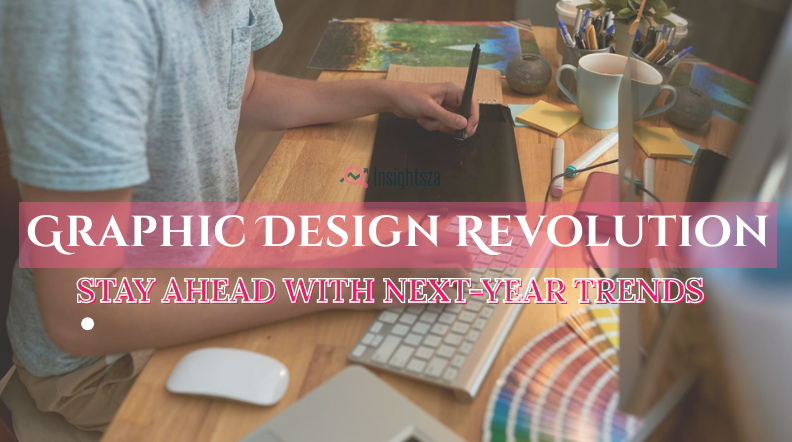
Graphic design is no longer just about creating visually appealing layouts. In 2026, it is about building immersive experiences, expressing identity, integrating intelligent tools, and designing with responsibility. The industry has evolved rapidly, driven by AI advancements, digital-first branding, and changing audience expectations.
Businesses are investing more in strategic visual storytelling. Designers are blending automation with originality. And audiences are demanding authenticity over perfection.
If you want to stay competitive, understanding the latest Graphic Design Trends is not optional; it is essential.
Let’s explore the 10 most influential Graphic Design Trends defining 2026.
Why Graphic Design Trends Matter in 2026
Graphic design directly influences brand perception, user engagement, and digital interaction. Modern consumers scroll fast and judge instantly. Design must capture attention while delivering clarity.
In 2026, successful design focuses on:
- Stronger brand personality
- Interactive digital experiences
- Ethical and sustainable communication
- Inclusive accessibility standards
- Smart integration of AI tools
Now, let’s break down what is shaping the industry this year.
1. AI-Enhanced Creative Workflows
Artificial intelligence has moved from experimental to essential. Designers now use AI for concept generation, layout variations, color palette exploration, and rapid prototyping.
However, AI is not replacing creativity. The biggest trend in 2026 is human-AI collaboration. Designers guide the vision while AI accelerates production.
How to apply it:
- Use AI tools for brainstorming concepts
- Generate multiple variations quickly
- Refine outputs with human judgment and storytelling
The key is using AI as a creative partner, not a shortcut.
2. Bold, Expressive Typography
Typography is louder and more emotional in 2026. Oversized headlines, distorted letterforms, layered fonts, and kinetic type are dominating digital and print spaces.
Brands are using typography as the primary visual element instead of relying heavily on imagery.
This trend reflects confidence and a strong brand voice. Expect to see:
- Experimental fonts
- High-contrast type layouts
- Animated typography in digital platforms
3. Immersive 3D and Spatial Design
Flat design continues to evolve into immersive 3D visuals. Depth, texture, and motion are central to modern digital branding.
From product mockups to website elements, 3D design adds realism and engagement.
In 2026, designers are integrating:
- 3D illustrations
- Augmented reality previews
- Interactive product visualizations
This shift supports more engaging digital experiences.
4. Motion-Driven Brand Systems
Static logos are becoming outdated. In 2026, brands are embracing motion identities, animated logos, dynamic typography, and responsive design systems. With short-form video platforms and interactive websites dominating digital spaces, movement is no longer optional; it’s central to branding.
How to apply it:
- Use animated logos to add personality and memorability
- Incorporate dynamic typography for emphasis and engagement
- Design responsive systems that adapt across platforms
- Leverage motion graphics to enhance storytelling and interactivity
Motion brings brands to life, making their digital presence dynamic, memorable, and engaging.
5. Sustainable and Ethical Design
Sustainability is a priority in 2026. Designers are choosing eco-conscious materials for print and promoting environmental responsibility through visuals.
Trends include:
- Earth-inspired color palettes
- Minimal ink packaging
- Transparent brand messaging
Consumers expect brands to align with global sustainability values.
6. Inclusive and Accessible Design
Accessibility is no longer a niche consideration; it’s a design standard. In 2026, modern graphic design trends prioritize inclusivity, ensuring that designs work for everyone, regardless of ability or background.
Key focus areas:
- High color contrast for readability
- Clear, legible typography
- Screen-reader compatibility and assistive tech support
- Inclusive and diverse imagery
Design that embraces accessibility not only reaches more people but also builds trust and strengthens brand credibility.
7. Maximalism with Structure
Minimalism is evolving into controlled maximalism. In 2026, designers are layering bold colors, textures, and patterns, but with strategic structure. The trend embraces intentional chaos, creating designs that feel expressive without overwhelming the viewer.
How to apply it:
- Combine bold colors, patterns, and textures thoughtfully
- Maintain visual hierarchy to guide the viewer
- Embrace expressive elements while keeping structure intact
- Focus on balance: impactful yet readable
8. Retro-Futuristic Aesthetics
Nostalgia meets innovation. Retro-futurism blends early digital aesthetics with modern polish, creating designs that feel both familiar and fresh. In 2026, this trend combines playful nostalgia with forward-looking visuals.
Expect to see:
- Chrome textures
- Neon gradients
- Y2K-inspired visuals
- Futuristic UI elements
This trend captures both familiarity and innovation.
9. Data Visualization as Storytelling
Data is central to decision-making, and design transforms it into clear, compelling stories. In 2026, infographics are interactive, animated, and personalized, helping audiences explore insights in real time. Good data design not only communicates effectively but also builds trust and credibility.
How to apply it:
- Use visuals to simplify complex data
- Make infographics interactive or animated for engagement
- Personalize data for your audience’s needs
- Ensure clarity to maintain trust and credibility
10. Authentic, Human-Centered Design
In an AI-driven world, authenticity stands out. Hand-drawn illustrations, imperfect textures, and real photography are gaining traction, as brands move away from overly polished visuals toward more relatable aesthetics. In 2026, human emotion is the strongest design asset.
How to apply it:
- Incorporate hand-crafted or imperfect design elements
- Use real photography and authentic visuals
- Focus on storytelling that evokes emotion
- Prioritize relatability over perfection
Final Thoughts on Graphic Design Trends for 2026
Graphic Design Trends in 2026 are all about finding the right balance. It is the meeting point between advanced technology and real human emotion, between bold visual statements and clear communication, between innovation and responsibility. Designers today are not forced to choose between creativity and efficiency anymore.
To stay competitive, designers need to think strategically. That means using AI with intention, building brands that move and feel alive through motion design, making accessibility a priority rather than an afterthought, choosing sustainable design practices, and staying aware of cultural shifts that influence audiences. The future of design does not belong to those who chase every new trend. It belongs to those who understand people, adapt thoughtfully, and create work with purpose and lasting impact.
FAQs
What are the most important Graphic Design Trends in 2026?
AI-enhanced workflows, immersive 3D visuals, motion branding, inclusive design, and sustainable aesthetics are among the most influential trends shaping 2026.
Is AI replacing graphic designers in 2026?
No. AI is assisting designers by improving efficiency and expanding creative exploration. Human creativity, strategy, and storytelling remain irreplaceable.
Why is motion design so important now?
Digital platforms prioritize video and interaction. Motion design increases engagement, strengthens branding, and improves user experience.
How can small businesses apply Graphic Design Trends?
Start by upgrading typography, adding subtle motion to logos or social media posts, using accessible color contrasts, and exploring AI tools for faster concept development.
Are minimal designs still relevant?
Yes, but they are evolving. Minimalism in 2026 focuses on clarity and impact rather than extreme simplicity.